From the Founder

From Basement to Bible Bindery: The Origins of Farmhouse Pottery

James Zilian founded Farmhouse Pottery in 2012, but it all began in a high school ceramics class.
August 01, 2025
By Erin English

The Early Days

In the mid 1990s, James discovered his calling in an unsuspecting place: a high school ceramics class. Having never before touched a pottery wheel, it quickly became a form of meditation for him. Each return to the wheel deepened his curiosity about the craft.

A natural in both the arts and athletics, James enrolled at Colby Sawyer College in New London, NH to explore his interests. One of his professors, Jon Keenan, studied pottery in Tokyo and championed the Japanese philosophy of Wabi Sabi — the concept of finding beauty in imperfection. This idea would later inform the Farmhouse style.

After his freshman year, James transferred to Maine College of Art & Design (MECA) where he earned his Bachelor’s degree in Ceramics and immersed himself in the technical and decorative aspects of pottery making. “They taught me everything I needed to know about materials and techniques of the craft,” James reflects.

Studying under Mark Johnson, Lucy Breslin, Marian Baker, and others, he expanded his understanding of both 2D and 3D design. He also studied art history, and explored other aesthetic traditions (mainly American and French) that broadened his knowledge of the craft.

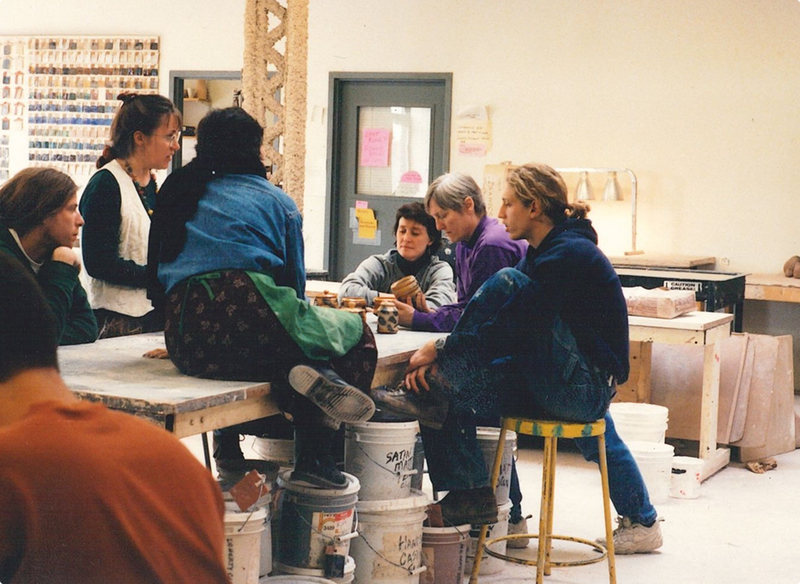
James at Maine College of Art with Lucy Breslin and Marian Baker
Unloading a soda kiln at MECA
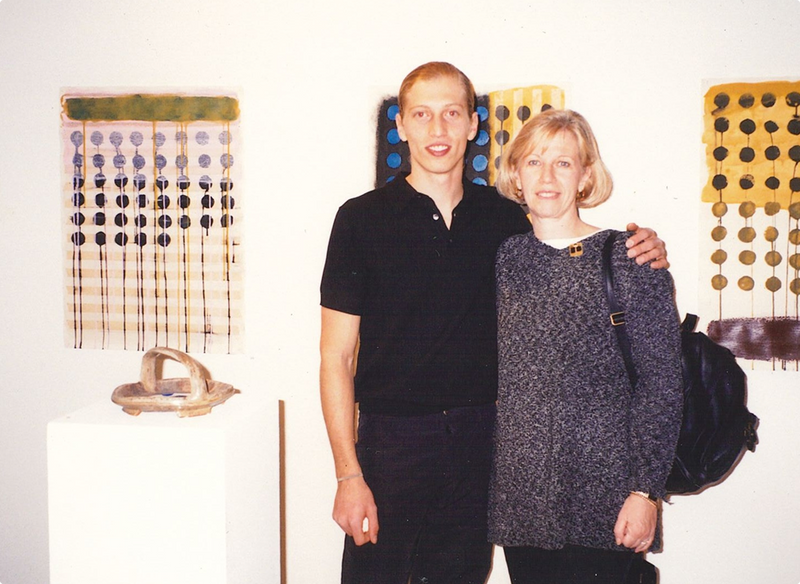
James with his mom, Geri, at a gallery showing of his work
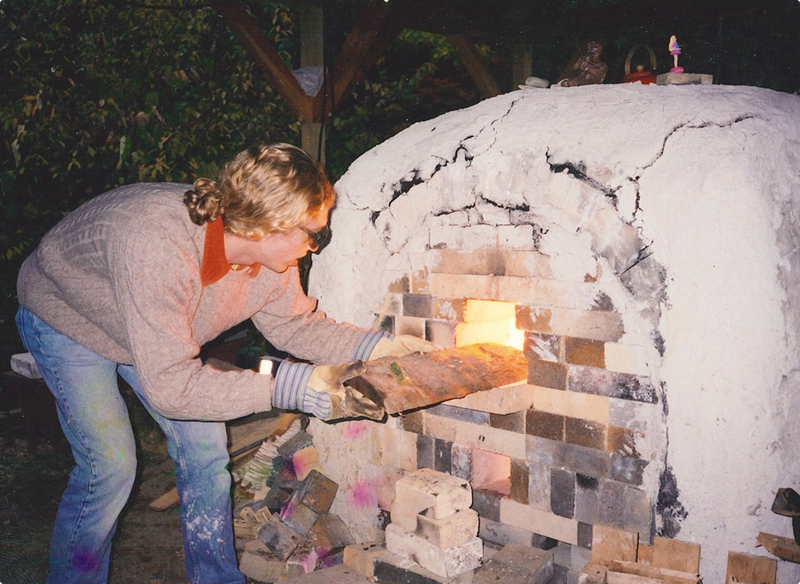
Loading the wood-fired kilns at Carolina Pottery
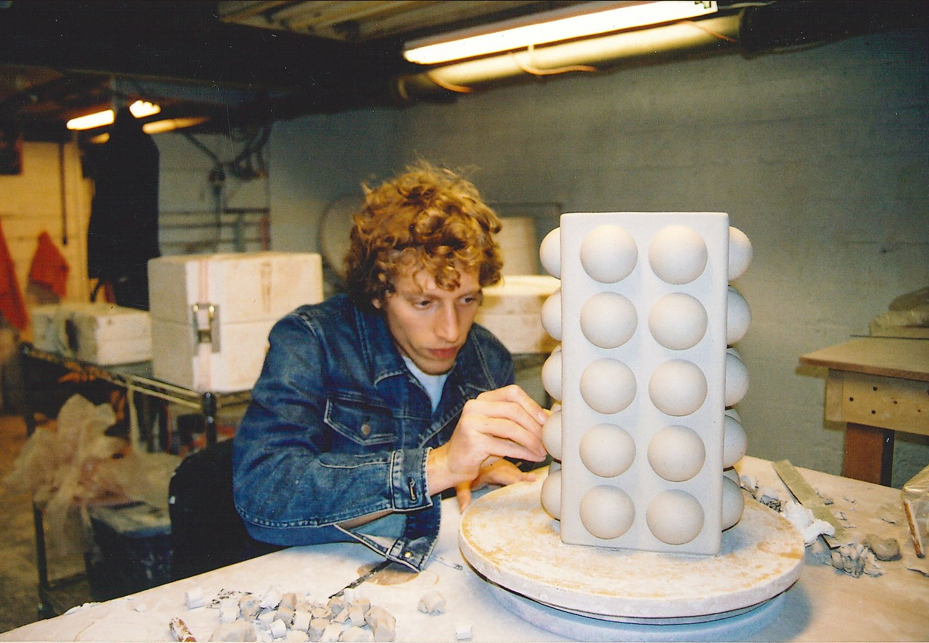
Learning how to trim at the MECA studio
The professors at Maine College of Art taught me everything I needed to know about materials and techniques.

Stepping into Practice

Following graduation, James returned home to Rhode Island to apprentice under Jay Lacouture at Carolina Pottery — a wood-fired pottery studio. Through this hands-on experience, he continued to develop his design sensibilities and created pieces that ranged from sculptural to functional. He later left his apprenticeship to do a year-long artist’s residency at St. George’s School under Mike Hansel. From his basement, he launched a small pottery line inspired by New England’s natural landscapes and showcased his work at craft shows under the name Zilian.

First Ventures into Entrepreneurship

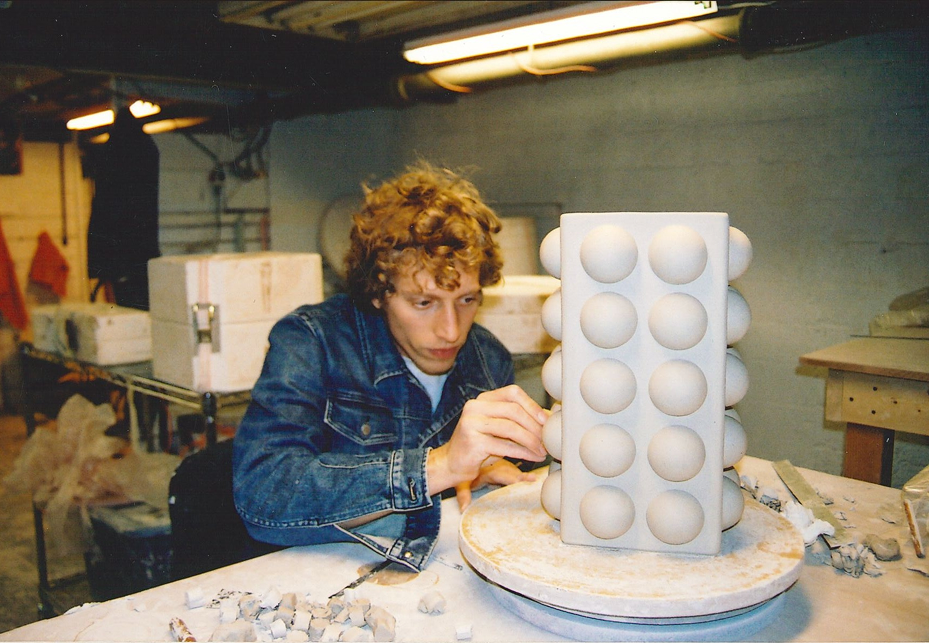
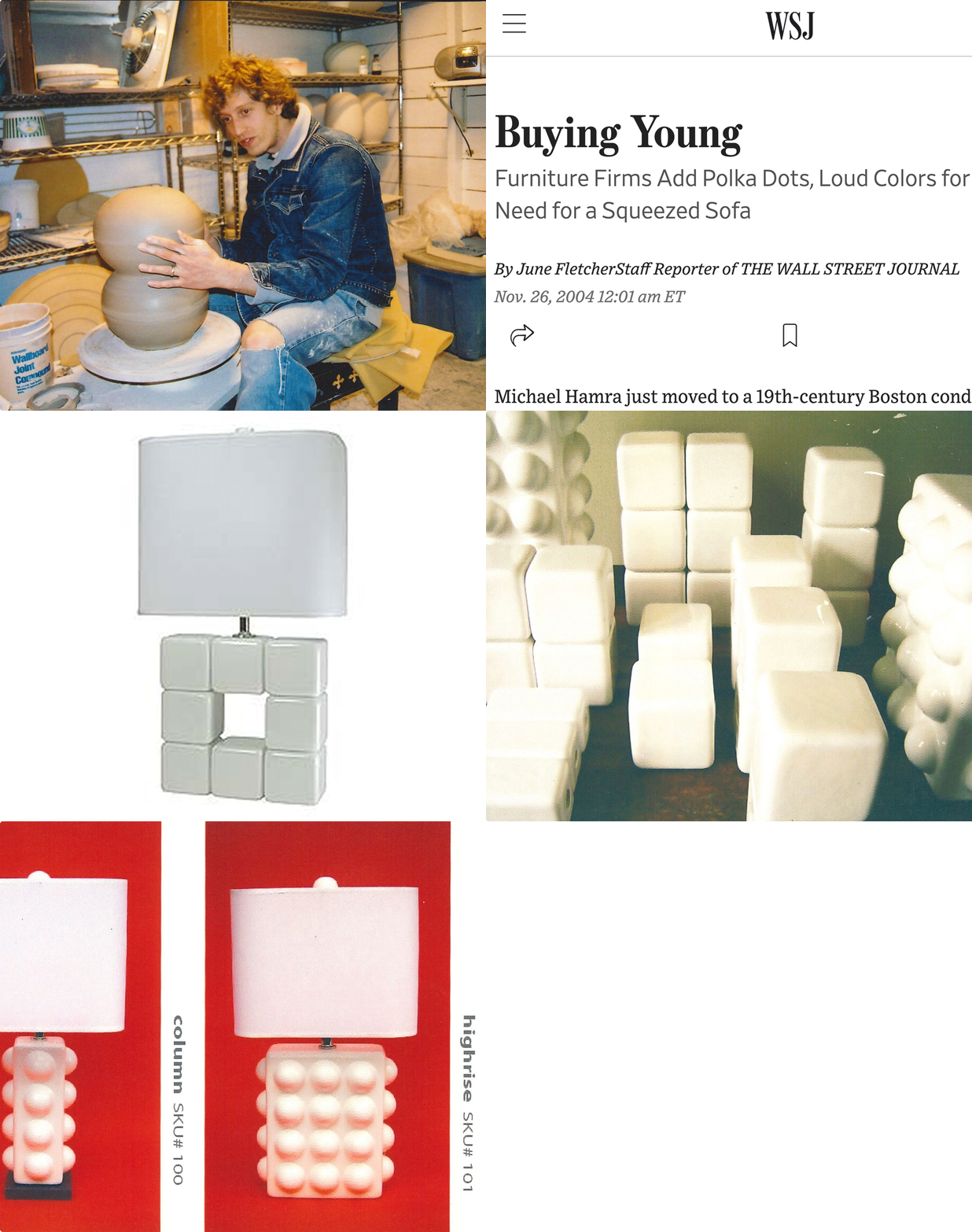
After the residency, James relocated to West Roxbury (just outside of Boston). He pivoted to create the minimalist James Zilian line — a collection of geometric lighting in all white glazes. This shift marked his transition from wheel-thrown to slipcasting, creating plaster molds by hand and shaping forms using liquid clay. James earned recognition among high-end boutiques and designers, who became some of his earliest collectors. A major breakthrough arrived in November 2004 when the Wall Street Journal featured his work in an article titled Buying Young. This exposure caught the attention of Simon Pearce, founder of the renowned Vermont-based company bearing his name — a connection that would alter James’s artistic trajectory.

From "Buying Young" in the Wall Street Journal, November 2004:

“Almost everything that popular Boston designer James Zilian does, on the other hand, is pure white. 'Young buyers want a clear, in-your-face message,' says 28-year-old Mr. Zilian, whose new $750 ceramic lamps, in the color 'cold milk' appear in such trendy shops as Nest in New York and Shelter in Beverly Hills."

The Move to Vermont & Simon Pearce

In 2005, James relocated to Vermont to become the lead designer at Simon Pearce. Over nine transformative years, he led product design, the buying office, and visual merchandising. He collaborated closely with Simon to develop their signature hand-blown glass, handcrafted pottery, and curated housewares. Among his many contributions were the development of the Barre collection and the expansion of the Woodbury collection — both of which are still in production today.

Under Simon’s mentorship, my design sensibilities matured very quickly. It was here that I cut my teeth on running a business — equipping me with the knowledge and confidence needed to later launch my own venture.

Farmhouse Pottery Beginnings

In 2012, James and his then-wife Zoe founded Farmhouse Pottery as a small family business and as new parents embarking on their next chapter. James was driven by the vision of merging traditional pottery-making techniques with the emerging slow food movement. He was captivated by the idea of creating homewares that celebrated the farm-to-table philosophy and while embodying the authentic spirit of Vermont and New England. Their values were anchored in slow living, supporting local producers, and the principle of buying fewer, better things.

It began humbly in the basement of their Woodstock home — the original “Farmhouse” — with one kiln, two wheels, and two other potters working alongside James. They produced hundreds of handmade pots weekly, with James packing all of the orders himself. Before establishing the brick and mortar shop, they built their following at markets in Woodstock and Norwich. Their first website launched during this grassroots phase, expanding their reach beyond Vermont.

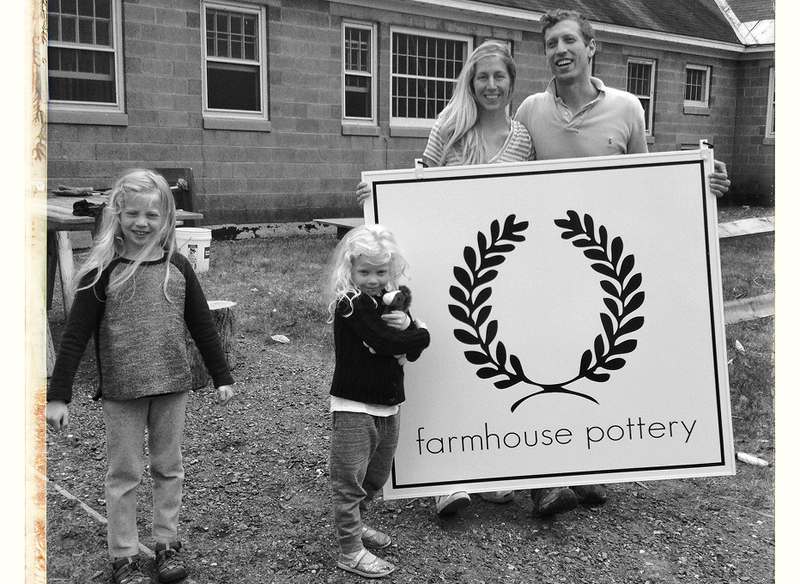
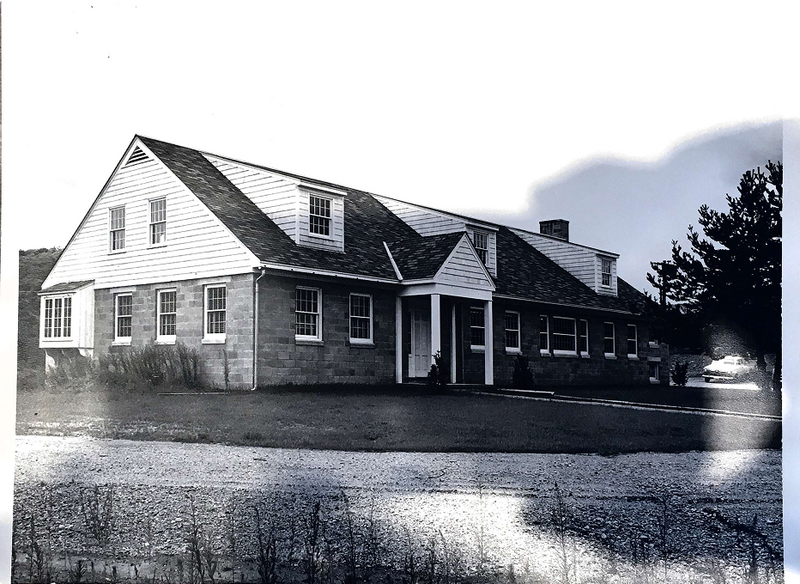
The company reached a pivotal milestone in 2014 with the opening of their first brick and mortar shop in Woodstock. They bought and repurposed a 30,000 SF abandoned building that once housed a bible bindery. Rich with character and surrounded by idyllic Vermont farmland, the space became (and still remains) a source of inspiration for James.

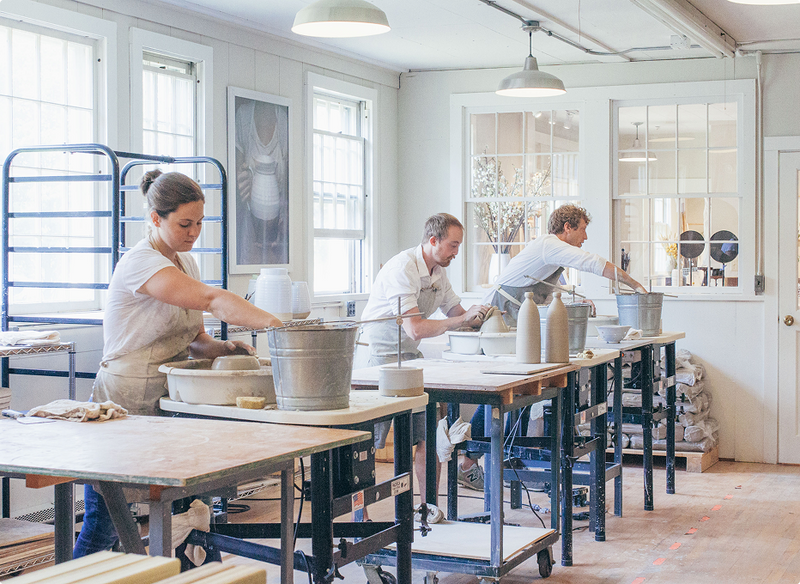
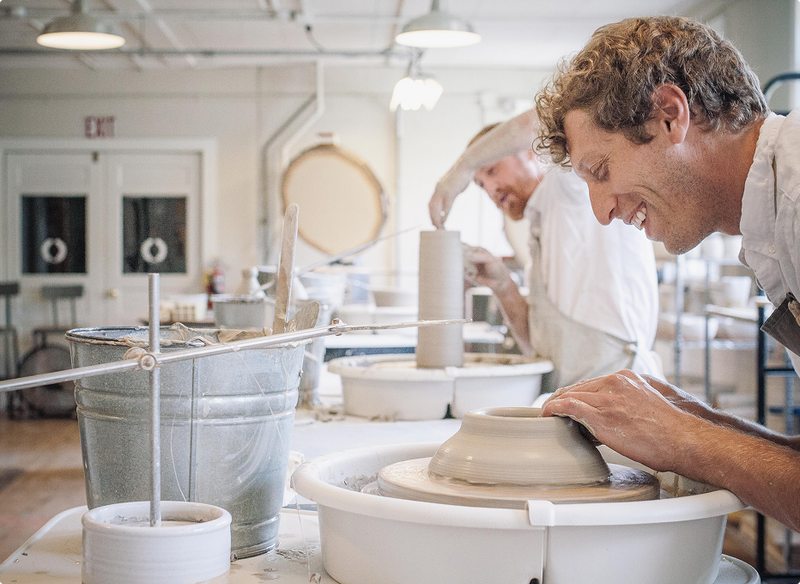
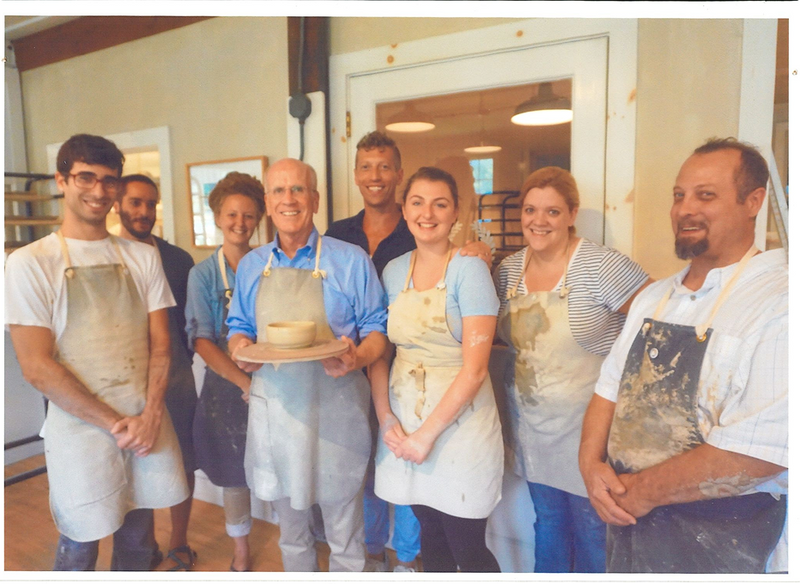
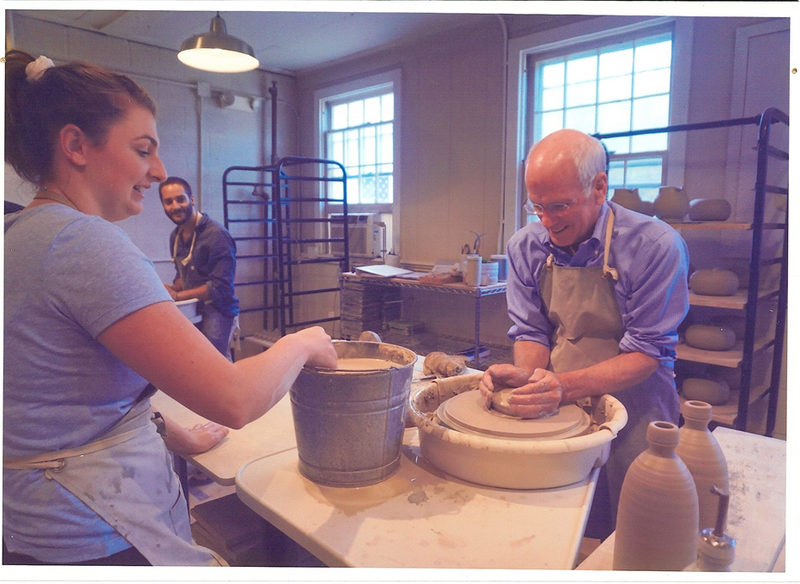
A small team of potters soon joined the workshop, and Farmhouse became a creative hub where artists could make a living from their craft in rural Vermont. The workshop transformed into a destination where visitors could view live pottery demonstrations, engage directly with the makers, and shop the pottery being made in front of them.

James, Zoe, and their two children purchasing the former Lewis Bible Bindery that would become the flagship
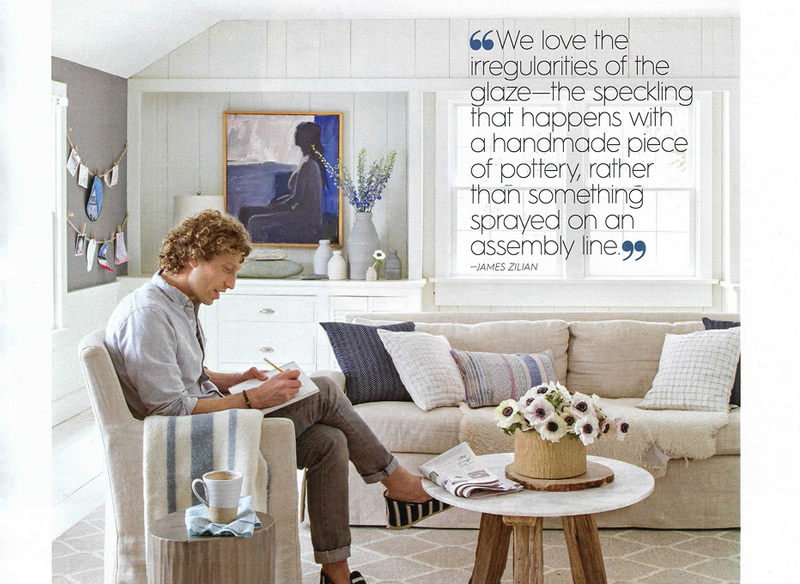
Feature in Better Homes & Gardens, 2016
The workshop features an open studio with daily live demonstrations
James on the line with fellow potters in the Farmhouse workshop
Prior to becoming the Farmhouse flagship, our building housed a bible bindery

The Early Farmhouse Aesthetic

The earliest Farmhouse Pottery designs carried personal significance for James, reflecting inspirations from family life. The Windrow Berry Bowl was created for his two children to gather their freshly picked berries with, while the Beehive Crock drew inspiration from Winnie the Pooh stories shared at bedtime. The Silo Collection paid homage to the iconic structures that dot Vermont’s farmland. These items remain some of our most loved and collected pieces today.

Much of the work was also a reflection of James’s training, drawing from old English studio pottery traditions and the Wabi Sabi philosophy that he learned in his early apprenticeships.

What distinguished Farmhouse early on was its signature two-tone, exposed clay aesthetic that was unlike anything else being made at the time. James embraced timeless designs that transcended fleeting trends while maintaining a modern sensibility.

James also designed the distinctive laurel mark that became our signature mark of authenticity, heritage, and quality. It still graces every piece we make.

The Earliest Farmhouse Designs

Silo Mug Silo Mug
Silo Mug
Best Seller

Silo Mug

Beehive Crock Beehive Crock
Beehive Crock
Ina's Favorite Find!

Beehive Crock

Windrow Berry Bowl Windrow Berry Bowl
Windrow Berry Bowl
Best Seller

Windrow Berry Bowl

Silo Dinnerware Place Setting Silo Dinnerware Place Setting
Silo Dinnerware Place Setting
Best Seller

Silo Dinnerware Place Setting

Silo Soup Mug Silo Soup Mug
Silo Soup Mug
Best Seller

Silo Soup Mug

Silo Dinnerware Place Setting - White Silo Dinnerware Place Setting - White
Silo Dinnerware Place Setting - White
Best Seller

Silo Dinnerware Place Setting - White

Silo Batter Bowl Silo Batter Bowl
Silo Batter Bowl

Silo Batter Bowl

Laurel Pie Dish Laurel Pie Dish
Laurel Pie Dish

Laurel Pie Dish

Laurel Spoon Rest Laurel Spoon Rest
Laurel Spoon Rest
NY Mag Favorite!

Laurel Spoon Rest

Harvest Bowl Harvest Bowl
Harvest Bowl

Harvest Bowl

Silo Butter Keeper Silo Butter Keeper
Silo Butter Keeper
NY Mag Favorite!

Silo Butter Keeper

Olive Oil Bottle Olive Oil Bottle
Olive Oil Bottle
Best Seller

Olive Oil Bottle

Cheese Stone™ Cheese Stone™
Cheese Stone™
Best Seller

Cheese Stone™

Growing the Business

Over the next few years, Farmhouse was thrown into the national spotlight — receiving magazine features in Better Homes & Gardens, House Beautiful, The Cottage Journal, Martha Stewart Living, Oprah's O Magazine, and more. The recognition opened the doors to new partnerships. Food52 commissioned exclusive pieces, while major retailers including Anthropologie, Terrain, and West Elm began to carry Farmhouse collections.

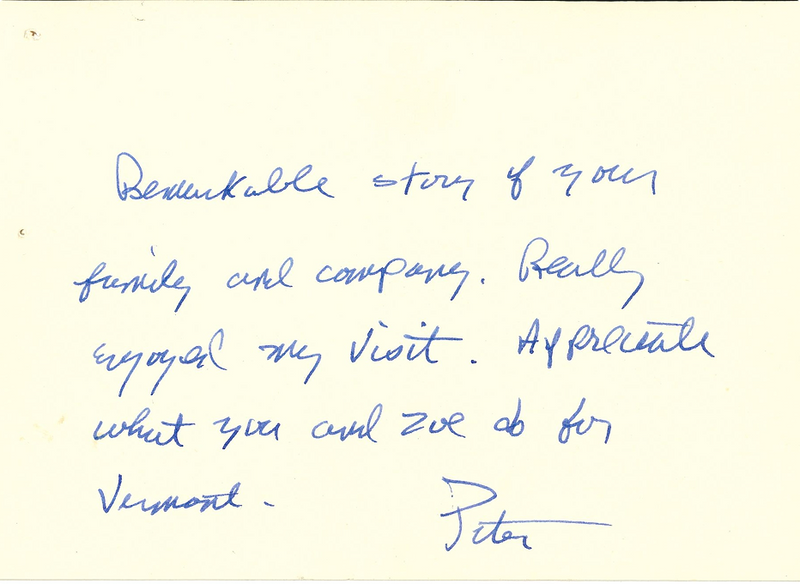
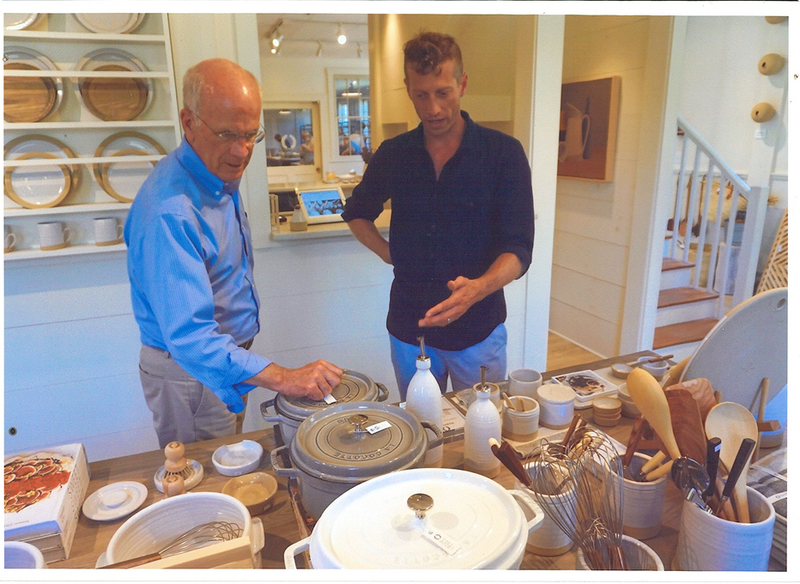
The company’s success also drew attention from local leaders. Vermont Senator Peter Welch visited the flagship to witness firsthand how the business had created meaningful employment opportunities for young artists — a testament to James’s belief that traditional crafts could thrive in the modern economy while supporting local communities.

The Next Chapter

In 2019, James became the sole owner of Farmhouse Pottery. A surge in website sales enabled the purchase of a dedicated headquarters and warehouse facility just down the road from the flagship store. This expansion enabled worldwide shipping and upgrades at the flagship, including new kilns, a larger team of potters, and streamlined studio processes.

Today

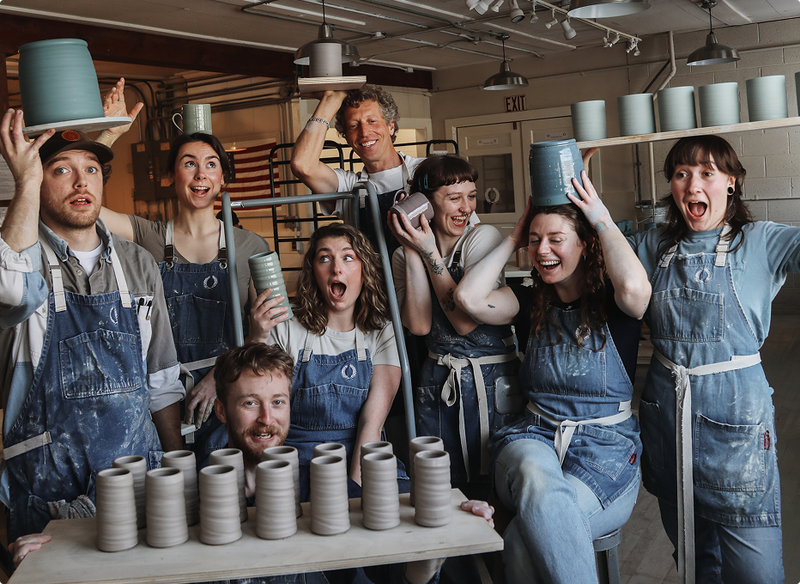
We are a team of 40+ dedicated craftspeople and creatives with James at the helm. We remain committed to being authentically handmade and small batch. Over 20 potters continue to craft many of our pieces by hand at the Woodstock, flagship.

Refined design and handmade craftsmanship remains central to the Farmhouse identity. We continue to honor our Vermont roots through locally-inspired designs while providing a livelihood for makers to pursue their craft in an increasingly mechanized world.

James continues to travel and collect antiques that inspire our designs — obsessively, some might say. Every piece carries a story of craftsmanship and continues to be made slowly, thoughtfully, and by human hands.

While I’m not at the wheel as often these days, my love for pottery never went away. These days, my curiosity goes into my team and designing upcoming collections. I still get into that flow state — whether it be at the wheel, at the drawing board, or surfing in the ocean. I have grown alongside the business, and I am so grateful to be where I am today.

—James Zilian, Founder / Potter #1